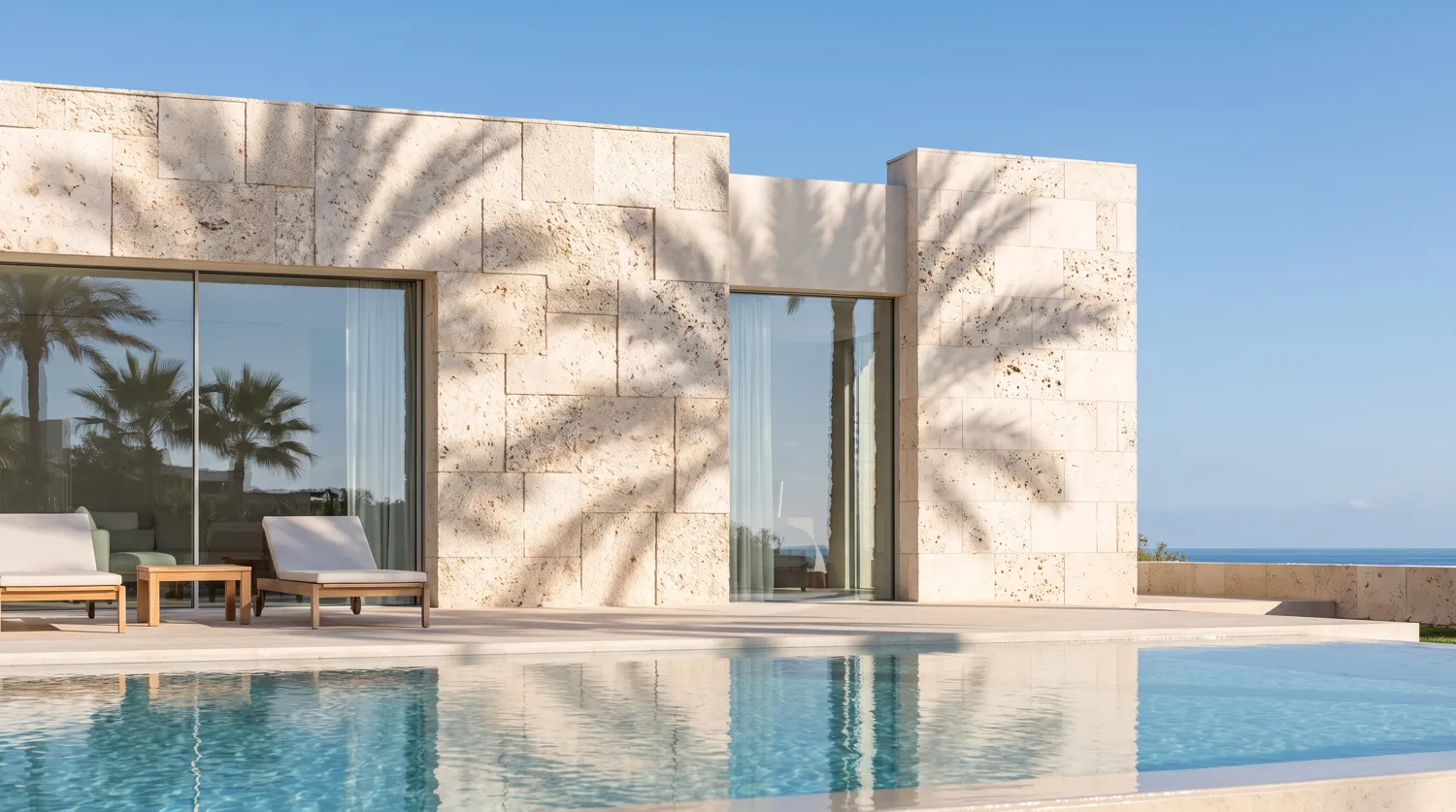
Durable building materials for coastal climates
How salt air, UV and constant humidity wear out facades near the sea, which materials and fixings fail first, and what to specify for coastal villas and hotels.
What the coast does to a building
A building 200 metres from the sea is not in the same environment as one inland, even on the same island. Four forces work together on coastal sites in Bali, Lombok, Java and the other islands:
- Salt. Wind carries fine salt onto walls, windows and roofs. Salt draws moisture, corrodes metal and, as it dries inside porous materials, crystallises and breaks the surface from within.
- UV. Strong equatorial sun fades paint, chalks coatings and degrades many plastics and resins.
- Humidity. High moisture all year keeps surfaces damp and supports algae and mould.
- Wind and rain. Wind-driven rain pushes water into joints, cracks and behind cladding.
The result is faster ageing: peeling paint, rust streaks, stained walls and cladding that loosens at the fixings.
What fails first
Coastal buildings tend to show the same short list of failures:
- Metal fixings and sub-frames. Mild steel rusts quickly and stains the wall below. Even coated or galvanised parts can fail where the coating is cut or scratched.
- Painted render. Paint blisters and chalks, and salt can lift it from the render.
- Porous natural stone. Some limestones and sandstones absorb salt water and weather unevenly.
- Timber. Surfaces grey, crack and need frequent re-oiling.
- Plastic and resin panels. UV makes them brittle or faded depending on the product.
- Sealant joints. Poor sealants harden and crack, letting water behind the cladding.
Notice how many of these are about the parts you do not see at purchase: fixings, coatings and joints.
Properties to look for
| Property | Why it matters at the coast |
|---|---|
| Mineral composition | Stone and mineral binders do not rust, rot or feed mould |
| Low water absorption | Less salt-laden water gets into the body and crystallises |
| UV-stable surface | Colour holds under constant sun |
| Few metal parts | Fewer things to corrode and stain |
| Washable surface | Salt deposits can be rinsed off with water |
| Simple, sealed joints | Fewer paths for water behind the cladding |
Where flexible ceramic fits
Flexible ceramic (also called MCM, flexi stone or soft stone) is made from natural stone powder and a modified mineral binder, with a factory hydrophobic treatment and a UV-stable coating. It does not rust, rot or feed mould, and the colour does not fade in strong sun. The declared facade service life is 15-20 years. Our FAQ describes it as well suited to Bali and Indonesia's coastal and jungle conditions.
One more structural advantage: because the 3-5 mm sheet glues directly to concrete, brick or plaster, there is no heavy metal sub-frame to corrode behind the cladding. That removes one of the classic coastal failure points. Routine care is washing with water or a mild detergent, which is also how you remove salt film.
We do not publish salt-spray test figures on this page. If your project is directly on the shoreline, ask for samples, expose them on site and compare them with the alternatives before committing. For general guidance see best facade materials for the tropical climate and our Bali page.
Terraces, pool decks and semi-outdoor areas
The coast does not stop at the facade. Terraces, pool surrounds, outdoor showers, beach-club bars and covered lounges are open to salt air and humidity while also being splashed with water every day. These are the areas where interior-grade finishes often fail, because they were chosen for looks in a dry showroom.
For these zones, the same questions apply: mineral body, low water absorption, UV-stable surface and a surface you can wash. Flexible ceramic is used on bathrooms, spas and pool surrounds as well as on facades, and it wraps columns and curved bar fronts without joints, which reduces the places where water and sand collect. Floors and areas under heavy traffic are a different matter, so tell us what the element does before you specify it.
Fixings, adhesives and details matter as much as the face
- If any metal is used, specify grades suited to marine conditions and isolate dissimilar metals.
- Use an adhesive recommended for exterior, humid use, and follow the substrate preparation guidance.
- Seal joints, corners and openings, and let water drain away from the base.
- Keep the bottom edge away from standing water and wind-blown sand.
- Plan rinsing: a regular wash-down removes salt before it builds up.
Maintenance plan for coastal facades
Even durable materials like a routine. A simple plan costs little and prevents most surprises:
- Rinse walls with fresh water at least after the dry-season winds, and more often right on the beachfront.
- Check sealant joints and openings each year and renew any that crack.
- Inspect metal parts for rust and replace them early.
- Remove algae from shaded walls with water and a mild detergent.
- Photograph the facade once a year so slow changes become visible.
Questions to ask a supplier before ordering
- What is the water absorption of this exact finish?
- Is UV stability built into the surface, and what is the stated service life?
- Which adhesive and which sealant do you recommend for coastal exteriors?
- Can you supply a sample for on-site exposure testing?
- What documentation and installation guidance is available?
For villa-scale questions, our guide to flexible stone for villa facades is a good next read.
FAQ
Is flexible ceramic suitable for beachfront villas?
It is mineral, hydrophobic and UV-stable, and it does not rust or rot, so it is well suited to coastal conditions in Indonesia. For beachfront sites, test a sample on location and follow the installation guidance.
Does salt air damage the panels?
The surface does not absorb water or fade in sun, and routine rinsing with water removes salt deposits. We do not publish salt-spray test numbers, so ask us for the available documentation.
How long does it last?
The declared facade service life is 15-20 years, with colour and texture retained by the UV-stable coating and mineral composition.
Building near the sea? Message us on WhatsApp to request samples for on-site exposure testing and a wholesale price list.
Keep reading
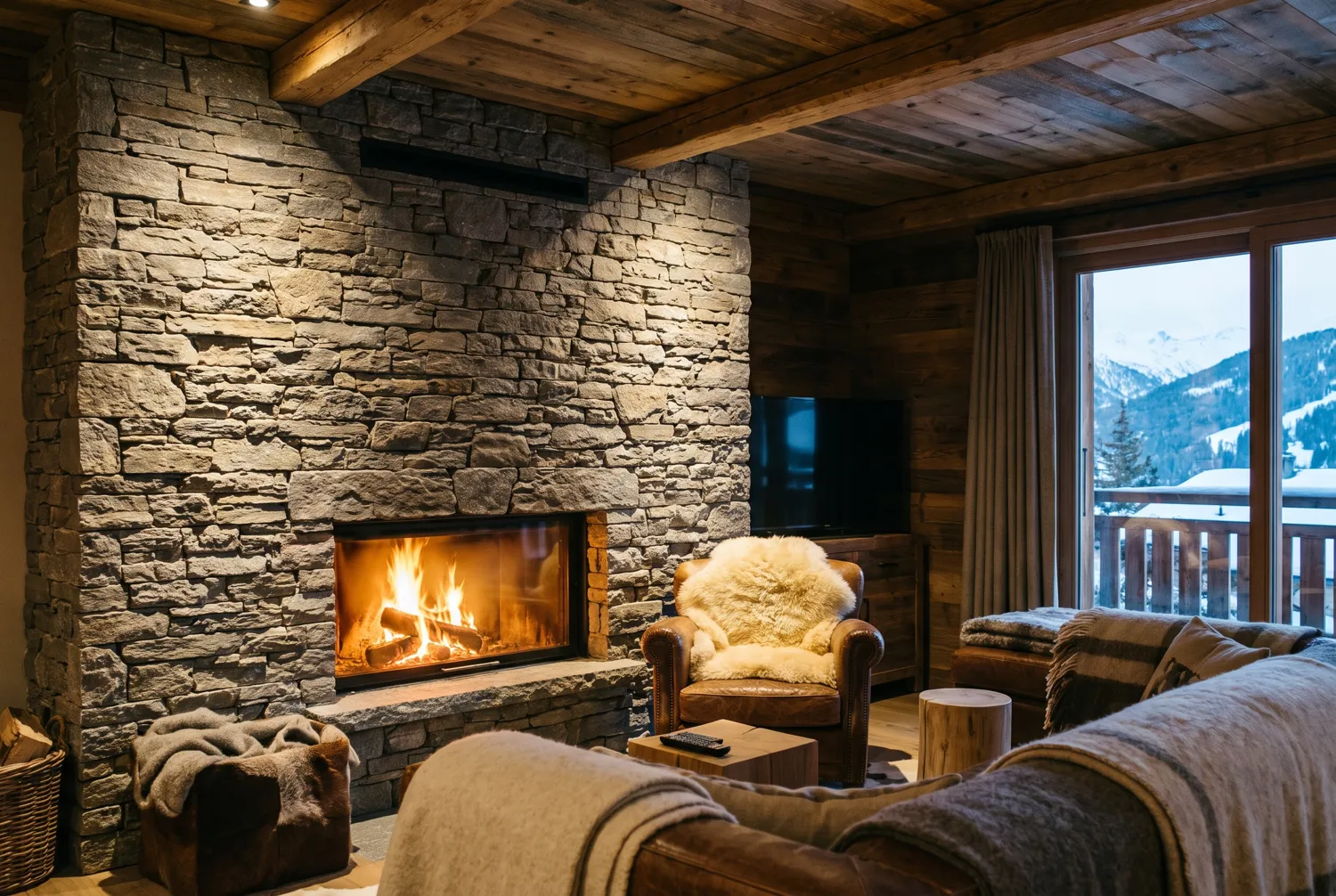
Flexible ceramic vs natural stone
How the thin, bendable panel compares to real stone and porcelain tile.
Best facade materials for the tropics
What survives humidity, salt air and UV in Bali and across Indonesia.
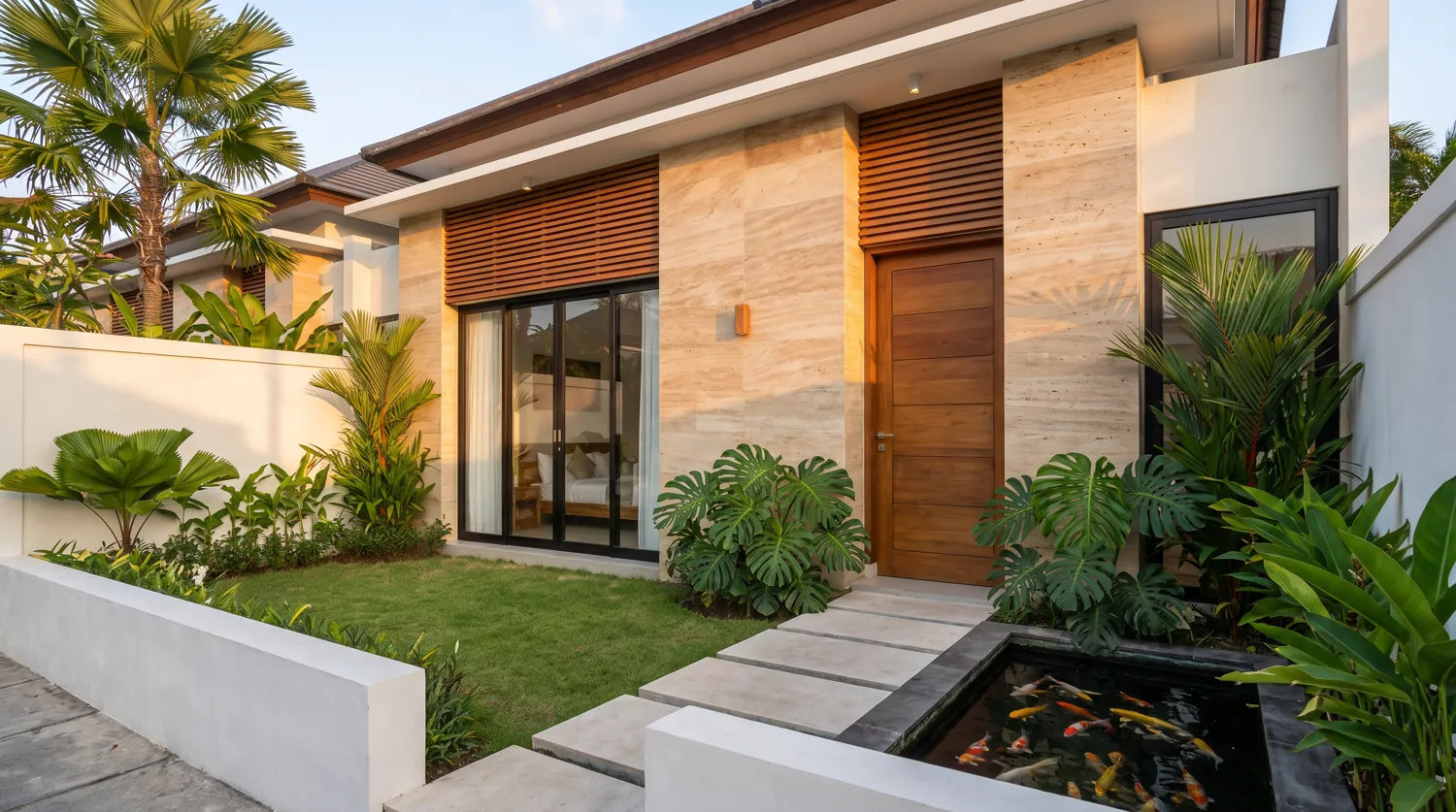
Flexible stone for villa facades
A practical guide for villa developers and architects in Bali.
Get free samples and a project quote
Send us your project — we'll match the right finish, calculate cost and support installation.