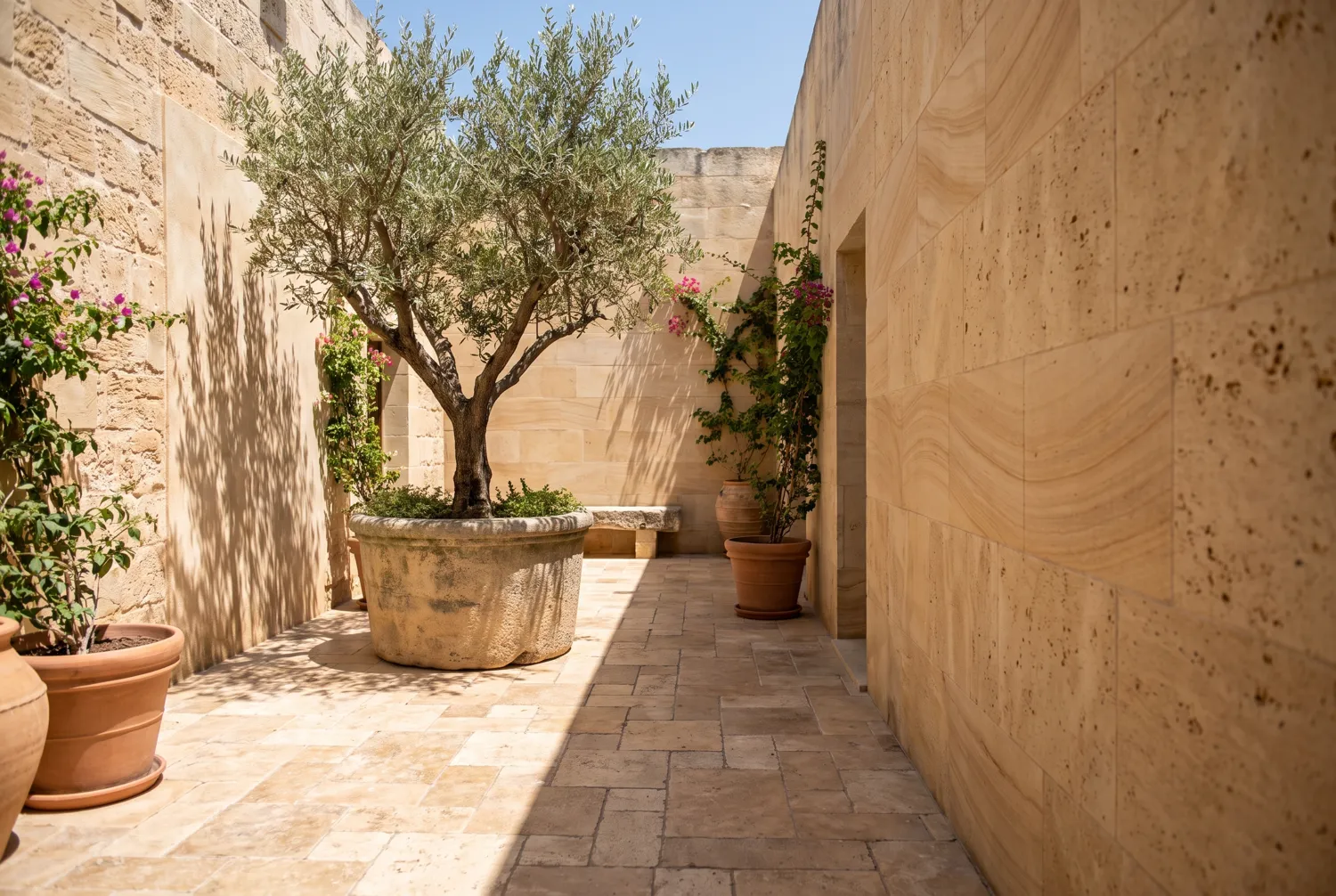
Lightweight cladding vs heavy stone: savings on structure and logistics
How a 4-7 kg/m² thin cladding changes structure, labour and delivery compared with heavy stone, and where the savings come from on villa and commercial projects.
Weight is a cost, not just a number
When a client asks for the look of natural stone, the first quote usually covers the material. The weight shows up later: in the structural drawings, in the number of workers needed on site, in the crane hire, in the delivery trucks and in the repairs when pieces crack on the way. A heavy facade material is a cost multiplier that rarely appears as a line item.
Thin cladding attacks that multiplier directly. Flexible ceramic is a 3-5 mm sheet weighing 4-7 kg/m², about 15-20 times lighter than natural stone at the same coverage. A 100 m² facade clad in it weighs 400-700 kg in total. The same area in natural stone would be measured in several tonnes.
What weight changes on the structure
Cladding is a dead load: it sits on the building permanently, and the frame, slabs and fixings have to carry it. Heavy stone cladding typically needs:
- mechanical fixings or a sub-frame sized for the stone's weight;
- a check of the supporting wall or slab for the added load;
- movement and expansion joints between large, rigid pieces;
- extra care at upper floors, balconies, cantilevers and roof edges.
A thin, glued-on sheet changes this picture. It bonds to concrete, brick, plaster, drywall or plywood without a heavy sub-frame, and the added load is small enough that it rarely drives a structural change. This matters most in three cases: retrofits to older buildings, lightweight steel or timber frames, and upper-level or cantilevered areas where every kilogram counts. Always have your engineer confirm the actual substrate and fixing method.
What weight changes on site
Labour is the second place where weight shows up. A heavy slab is lifted by two or more people, needs cutting with a saw and creates dust and noise. A thin sheet is carried by one or two people, cut with a knife or shears and glued into place. That affects the schedule in several ways:
- fewer people and less equipment needed on elevated work platforms;
- no tile saw and no dust for a large part of the cutting;
- faster coverage of large areas by a skilled team;
- easier work around columns, arches and curves, because the sheet bends to a radius from about 20 mm.
The saving depends on the crew and the design, so we do not quote a percentage. Ask for a trial area on your own wall before you plan the full schedule. The installation guide explains the sequence.
What weight changes in logistics
Indonesian projects often involve a long chain: factory, port, ferry, truck, narrow village road, then a hillside plot. Every stage charges by weight or volume, and every stage is a place where stone chips or breaks.
| Logistics point | Heavy stone or thick tile | Thin flexible cladding |
|---|---|---|
| Container or truck loading | Weight limit reached quickly | Much more area per load |
| Handling at site | Forklift, crane or several workers | One or two workers per sheet |
| Access to the plot | Narrow roads can limit truck size | Smaller vehicles can carry useful quantities |
| Breakage risk | Rigid pieces chip and crack | Flexible sheet, handled with normal care |
| Storage | Heavy pallets need level ground | Lighter packs, easier to move |
For a wholesale order, the useful question is not only the price per square metre but the delivered cost per square metre once freight, handling and breakage are included. We can give you the actual pack weights for your project so you can calculate it.
A worked example: 100 m² of facade
A full-size sheet of 1200 × 3000 mm covers 3.6 m². At 4-7 kg/m², that sheet weighs roughly 14-25 kg, which is a normal two-person carry on site and a one-person job for cut pieces. A 100 m² facade needs a little under 28 full sheets before any allowance for cuts and waste, and the whole facade weighs 400-700 kg. A comparable stone facade would need lifting equipment, a structure checked for several tonnes of added dead load and a crew to place each piece.
These are arithmetic examples from the published weight and size range, not a quotation. Your finish, sheet size and layout will change the numbers, and we can work them out for your drawings.
Will it look like real stone?
Weight savings are meaningless if the result looks cheap. Flexible ceramic is cast from real stone moulds, so the pores, veins and relief of travertine, sandstone, wild stone, brick or wood are reproduced. Sheets are available up to 1200 × 3000 mm across 30+ finishes, which reduces the number of visible seams on large walls.
The honest limit is this: it is a thin veneer, not a solid stone. For ordinary facades and interiors that is exactly the point. If you need a structural stone element, such as a load-bearing wall or a step that takes foot traffic every day, ask us before specifying it. A comparison of both options is in flexible ceramic vs natural stone.
When heavy stone still makes sense
- A solid, thick stone element is part of the architectural concept.
- A client requires a particular quarried stone by name.
- The element is a floor, a stair tread or a countertop that takes direct mechanical load.
For wall cladding, columns, feature walls and facades, the weight argument usually favours thin cladding. The correct answer is often a mix: heavy stone where it carries load, lightweight cladding where you only need the surface.
How to compare quotes properly
- Compare delivered cost per square metre, not ex-works price.
- Add structure: sub-frame, fixings, engineering checks.
- Add labour days and equipment hire for lifting.
- Add an allowance for breakage and waste.
- Ask for pack weights and dimensions to plan the delivery.
Questions on specifications are collected in our FAQ.
FAQ
How much does flexible ceramic weigh?
4-7 kg/m² as a 3-5 mm sheet, which is roughly 15-20 times lighter than natural stone at the same coverage.
Do I need a sub-frame for lightweight cladding?
Flexible ceramic glues directly to concrete, brick, plaster, drywall or plywood and does not require a heavy sub-frame. Your engineer should confirm the substrate for each project.
Is it only for facades?
No. The same material is used on interior feature walls, columns, reception desks and wet areas.
Comparing stone and lightweight cladding for a project? Message us on WhatsApp to request samples, pack weights and a wholesale price list.
Keep reading
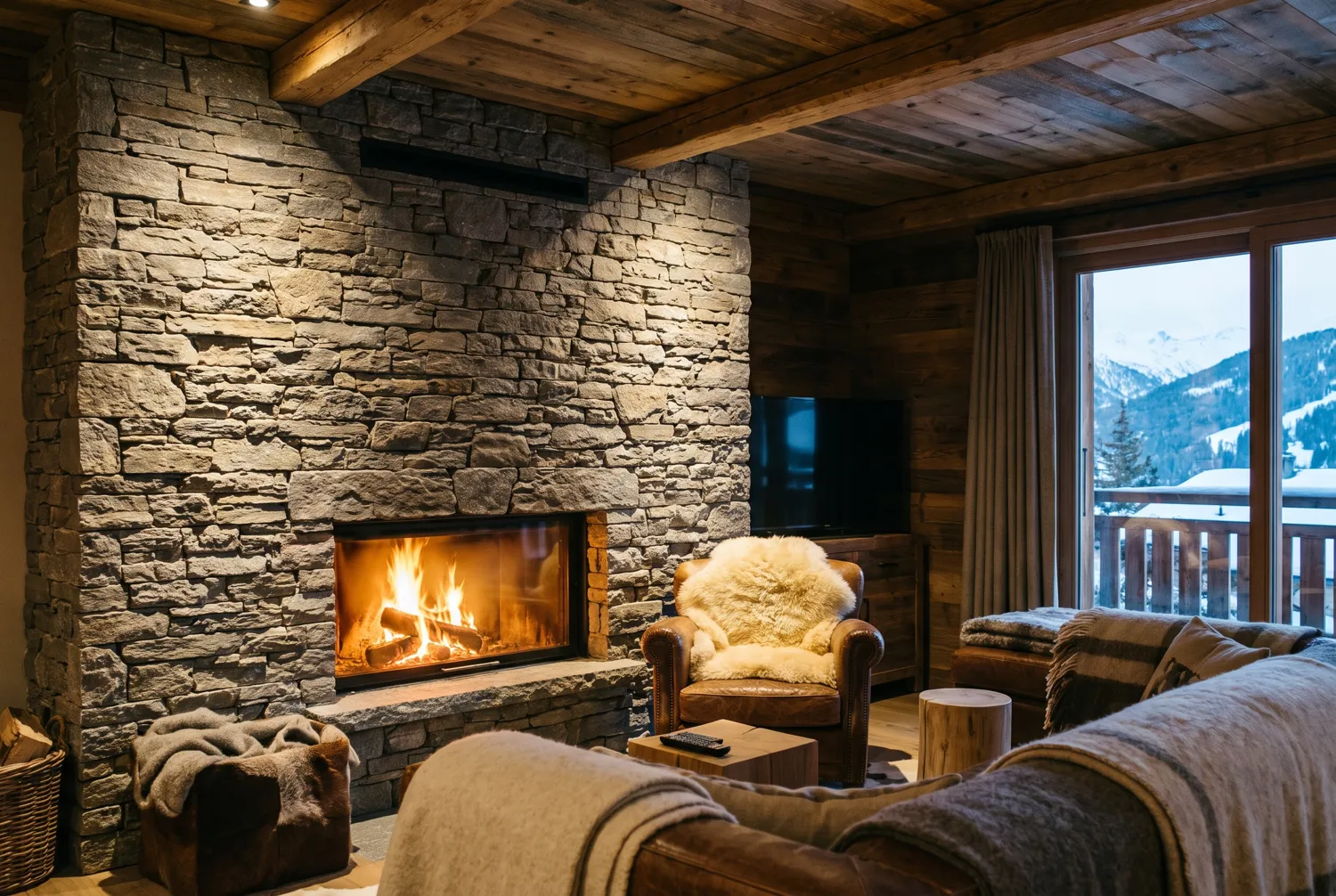
Flexible ceramic vs natural stone
How the thin, bendable panel compares to real stone and porcelain tile.
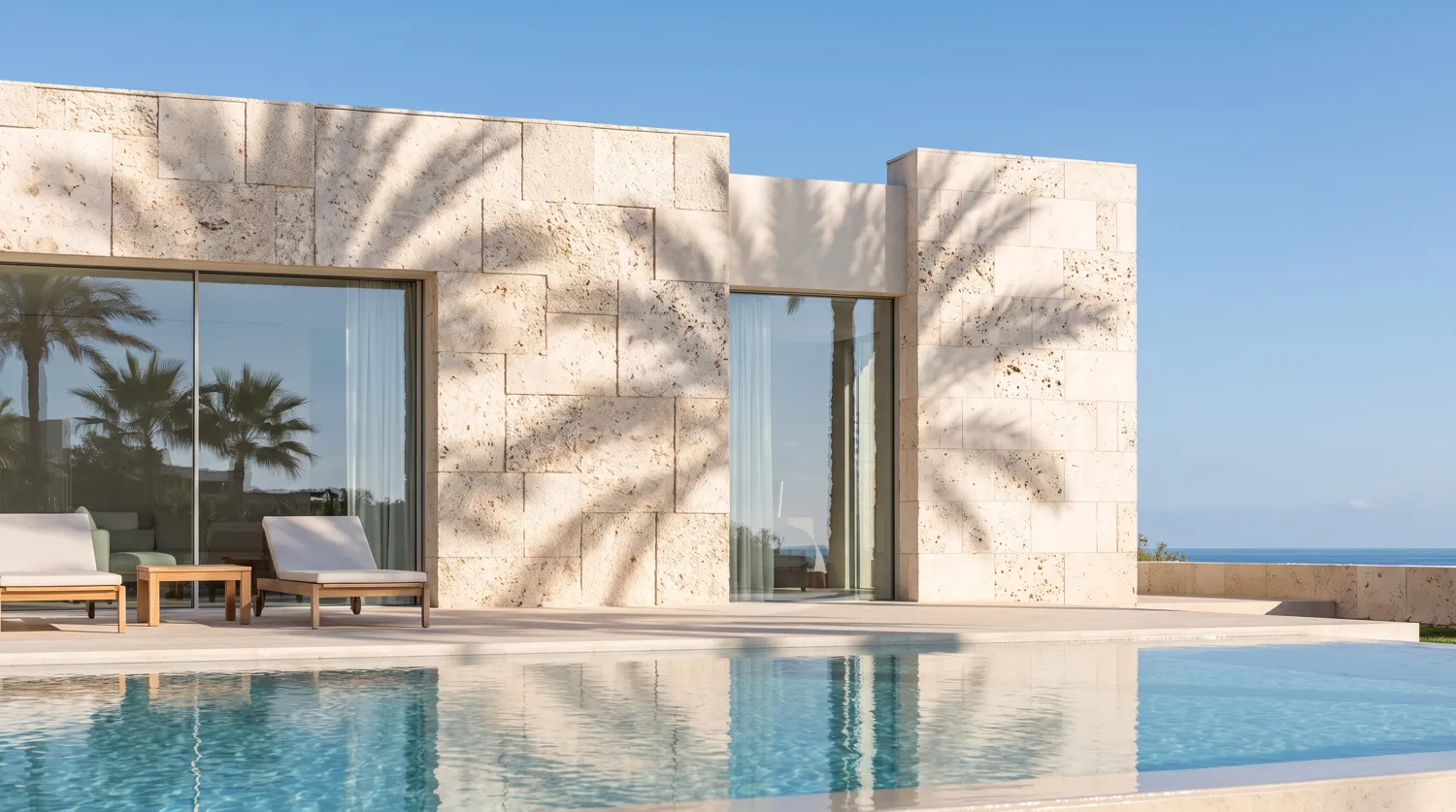
Best facade materials for the tropics
What survives humidity, salt air and UV in Bali and across Indonesia.
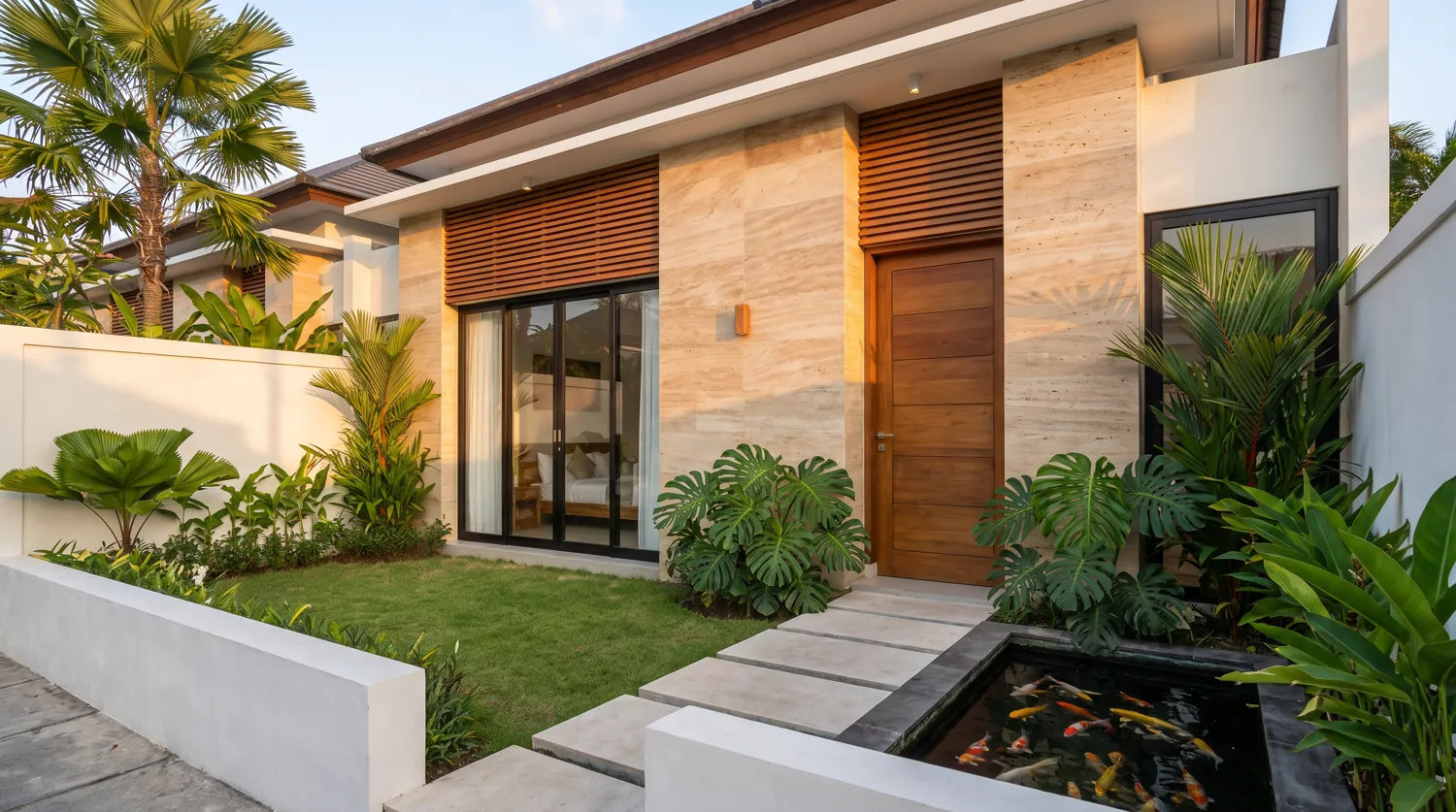
Flexible stone for villa facades
A practical guide for villa developers and architects in Bali.
Get free samples and a project quote
Send us your project — we'll match the right finish, calculate cost and support installation.